9 Summer Superfoods You’ll Love All Season Long
Nutritionists dish on the healthiest foods and drinks to opt for — and which to skip — to keep you in tiptop health during the warmer months.

With its toasty weather and extended daylight, summer is a marvelous time for hikes, backyard barbecues, and beachside strolls. As you head outdoors to bask and stay active, prioritizing nutritious, satisfying meals and consistent hydration is essential. Properly fueling your body supports peak health, ensuring you enjoy every moment of these delightful months — without burning out.
To keep you energized and hydrated through the summer heat, we spoke with three leading nutritionists to discover the healthiest seasonal staples worth your while. From hydrating produce to lean proteins, our experts identify nine essential superfoods to prioritize on your next grocery store or farmers market run. And beyond your grocery list, get tips and strategies for maintaining peak health so you can thrive and stay active all season long.
9 Summer Superfoods to Keep You Going All Season
Delectably hydrating, watermelon is the perfect summer fruit. “It’s more than 90 percent water and a good source of vitamins A and C, which are important for skin health,” says Marisa Moore, RDN, an integrative dietitian and author of The Plant Love Kitchen based in Atlanta. She recommends simply eating watermelon as is, or tossing cubes of it into a green salad for a burst of juicy flavor.
Exquisitely sweet and cool, mint makes a welcome addition to any summer dish. This refreshing herb is an especially good source of vitamin A, which can promote eye health and night vision.
Maggie Michalczyk, RDN, a recipe developer and founder of Once Upon a Pumpkin, based in Chicago, recommends naturally flavoring plain sparkling water with fresh mint leaves, berries, and lemon. You can make a mint-enhanced salad dressing, or add mint to plain Greek yogurt with some garlic for a dressing to serve atop grilled vegetables or any animal or plant protein.
While adequate protein intake is essential for curbing hunger and accelerating recovery after exercise or injury, not all protein sources are created equal, notes the Harvard T.H. Chan School of Public Health. This summer, consider limiting your intake of red meat, such as beef and pork, as it’s generally higher in saturated fat. Instead, opt for leaner poultry such as turkey or chicken, or even duck (prepared and eaten without the skin).
For your next summer gathering, Michalczyk recommends firing up the grill and cooking some lean protein options for a healthier alternative to the typical party grub.
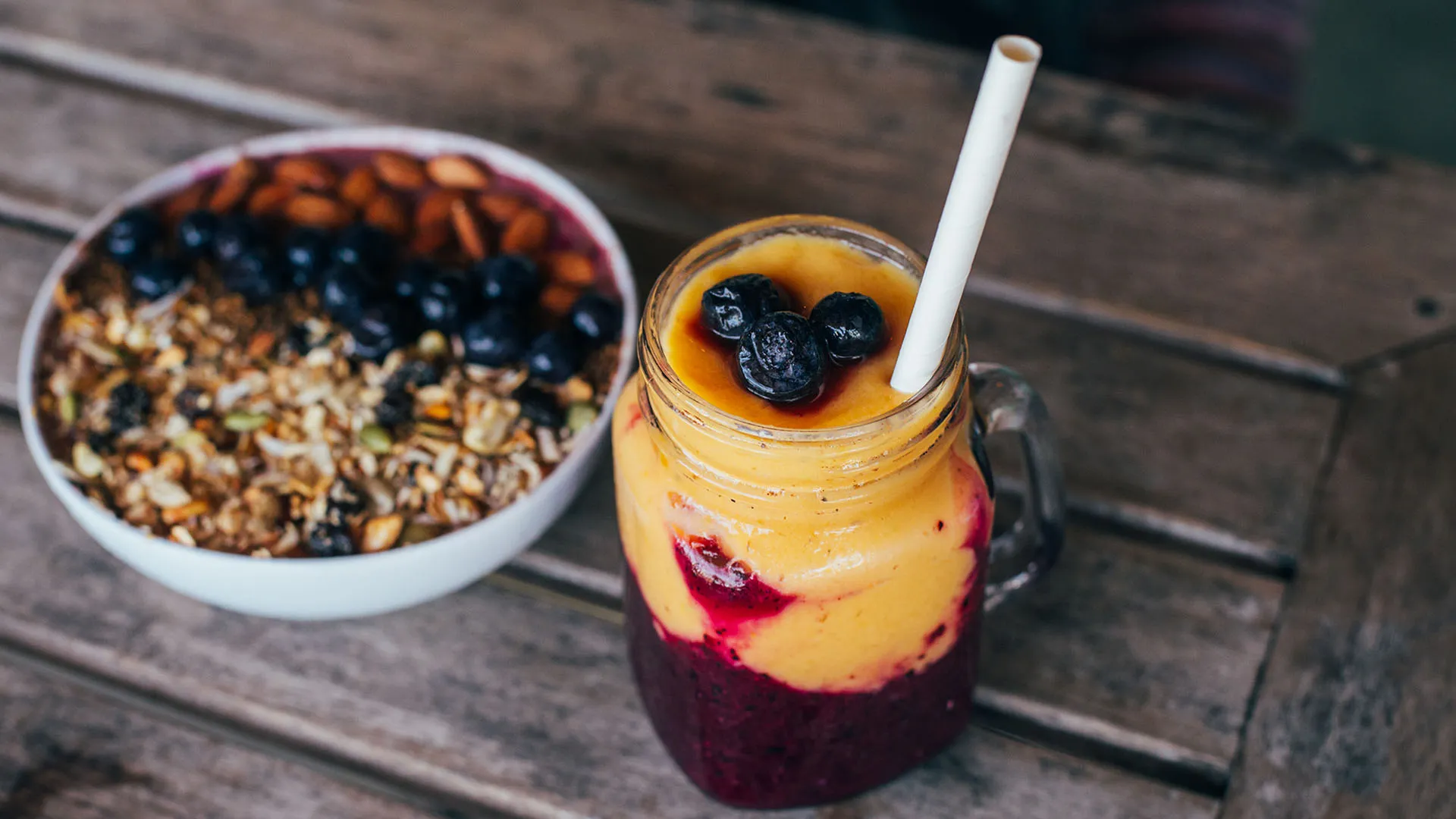
For a seasonal treat, Moore advises stocking up on fresh berries, like blackberries and blueberries, which are the sweetest in summer. Cleveland Clinic notes that blueberries are especially high in vitamins, minerals, and disease-fighting nutrients, which may promote a healthy gut, aid with weight loss, and boost learning and memory.
Consider enjoying yogurt topped with berries for a light and healthy breakfast, suggests Moore. Alternatively, she says that berries also “bake up beautifully in a warm fruit cobbler.”
“Greek yogurt is an amazing source of protein and probiotics, which your gut loves,” says Michalczyk. (Probiotics help improve digestion and immunity, among other health perks, per Cleveland Clinic.)
Whipping up a summer salad? Use creamy Greek yogurt as the base of your salad dressing. Michalczyk also recommends freezing Greek yogurt for the perfect hot-weather dessert. Blend in your favorite summer fruits first to customize it to your liking.
For a boost in heart-healthy omega-3 fatty acids that are also essential for brain and eye development, aim to add more fish to your diet this summer. Nathalie Rhone, RDN, founder of Nutrition by Nathalie, a private practice based in Greenwich, Connecticut, recommends trying salmon, sole, and halibut. She suggests opting for wild-caught fish, which may have higher levels of omega-3 compared to farmed fish, research notes.
Sprinkle your favorite fish with salt, pepper, and chopped herbs; top with some lemon slices for vitamin C; and bake in the oven for a weeknight meal that’ll be ready in no time.
Addictively sweet and tart, cherries are a good source of vitamin C, fiber, and potassium, Cleveland Clinic notes. Michalczyk suggests making a snack plate that includes cherries, blueberries, almonds, bell pepper slices, and hummus. Not only is this easy to assemble, but it’s also balanced and delicious — a perfect way to celebrate the summer season’s bounty.
Crunchy and available in a multitude of vibrant hues, bell peppers are another excellent option to consider, says Michalczyk. They’re loaded with various minerals and vitamins, including immunity-boosting vitamin C and potassium, which can promote heart health, per Cleveland Clinic.
Toss sliced red and yellow bell peppers with your favorite salad greens for a fun pop of color. You can also add sauteed bell peppers and onions to a grilled chicken burger for a flavorful lunch.
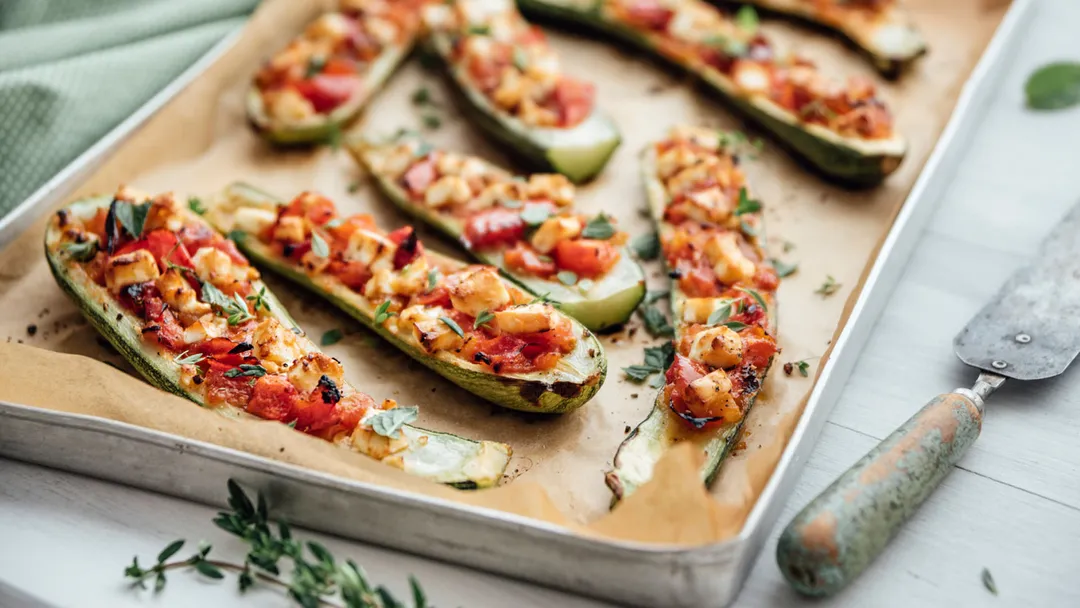
Michalczyk recommends zucchini, a member of the summer squash family. It’s particularly rich in antioxidants for eye, skin, and heart health, as well as fiber, which can help stabilize blood sugar and lower the risk of type 2 diabetes, per the Centers for Disease Control and Prevention (CDC).
For a scrumptious side dish to pair with your next meal, consider sauteeing zucchini with summertime herbs such as basil, oregano, or chives.
Interested in learning more? Check out 21-Day Plant-Based Plan for a Lighter, Happier YOU!
While the Harvard T.H. Chan School of Public Health notes that “superfood” is a marketing term with no scientific definition, it’s often referred to as any food that contains more nutrition than average. But rather than singling out a specific food to focus on, opt for variety so you won’t get too much or too little of key nutrients, advises Moore. “Choosing a variety of foods offers the best chance at getting the nutrition you need,” she says.
While the cold and flu season may feel far off, it’s still key to maintain your health any time of year, including during the hotter months. One way to do so is by staying hydrated, which the experts stress is especially key in summertime.
“Hydration demands extra attention when the summer heat soars,” Moore explains. This means that whenever you’re having some fun in the sun, it’s important to drink plenty of water to lower the risk for heat exhaustion or heat stroke.
Sugary drinks such as soda, energy drinks, and sports drinks can be thirst quenching, but paradoxically, research found they may lead to dehydration, loads of added sugar in the diet, and a spike in blood sugar, says Michalczyk, who suggests choosing water, sparkling water, unsweetened iced tea, or a homemade smoothie instead.
Rhone likes flavoring plain water with lemon or lime, cucumber, and mint for a spa-worthy drink.
Besides tracking your water intake, it’s beneficial to be mindful of the foods you consume, especially considering the typical backyard barbecue is often filled with tasty but less nutrient-rich fare such as hot dogs, bacon cheeseburgers, and chips. It’s a good idea to limit such ultraprocessed foods in order to optimize your health, Rhone says.
Highly processed foods are generally low in fiber and high in sugar and calories. Such foods have also been linked with chronic diseases, including heart disease and diabetes, per Harvard T.H. Chan School of Public Health. Though further research is needed, ultraprocessed foods may even impact our moods and cause depression.
For a healthier way to balance your summer plate, Rhone recommends bringing along whole foods such as a fresh fruit salad or crudités and dip to your next weekend gathering. This will ensure that you have something nutritious and refreshing to munch on in addition to all the other party fare you’re looking forward to enjoying. For mealtimes, she says that a “great rule of thumb is to keep at least half your plate reserved for vegetables.”
As for your other meals, try loading up on seasonal foods that are naturally high in water content and nutrients, including melon, tomatoes, cucumber, and salad greens, suggests Moore. It’s an easy way to eat your way to good hydration and health.
Just because your summer calendar might be filled with outings and well-deserved vacations doesn’t mean your diet has to take a backseat. In fact, eating healthfully doesn’t need to require a ton of effort. As Moore explains, “Summer is a good time to experiment with no-cook meals like produce-packed grain bowls or salads that can be easily prepped ahead for a grab-and-go lunch or picnic.”
Consider enjoying the local, seasonal produce before it’s gone, suggests Rhone. “Have fun being creative with new recipes and trying new foods, focusing on packing your plate with healthy whole foods,” she says.
If you’re not sure what’s currently in season, take a pleasant stroll through your local farmers market for inspiration for your next meal, says Michalczyk. Plus, seasonal produce will taste great and typically come at a lower price, Moore adds.
As you embrace summer's extended daylight and toasty temperatures, remember that your adventures are only as good as the fuel you provide your body. By prioritizing these nutrient-dense superfoods — from hydrating watermelon and antioxidant-rich berries to heart-healthy wild-caught fish — you can maintain peak energy levels and protect your long-term wellness. While summer invites us to be active, it also demands consistent hydration and a mindful approach to nutrition to avoid the pitfalls of heat exhaustion and metabolic burnout caused by ultraprocessed foods.
Ultimately, experts agree that staying healthy this season isn't about rigid restrictions; it’s about celebrating the vibrant, colorful bounty of the farmers market and finding a sustainable balance. So as you head outdoors to make the most of these sunny months, don’t forget to pack some healthy refreshments to enjoy at a leisurely pace — and rest easy knowing that spending time in nature is good for your body and soul.



.webp)