8 Standout Superfoods You Should Be Eating This Winter
Discover how to get the most nutritional bang for your buck by adding these hearty staples to your cold-weather diet.

Seasonal colds. Shorter days. Severe weather. Winter can be a tough season, but we’ve got just the nutritional armor to carry you through — and to satisfy your palate while you’re at it.
The key to a healthy season is to enrich your diet with the right winter superfoods, which will help boost your immunity and keep your energy levels charged. But what foods are winter superfoods, exactly? DailyOM spoke with two nutrition experts who shared everything you need to know about cold-weather superfoods — including easy, delicious ways to add these healthful ingredients to your diet.
Every year, it seems like we’re being sold on a new, hype-worthy superfood. First, it was kale. Then it was cauliflower, followed by turmeric, goji berries, and ancient grains. While there’s no one magical superfood that will solve all of your dietary concerns, certain foods do pack more of a nutritional punch than others.
“It’s a vague definition, but ‘superfoods’ usually refers to foods high in vitamins and minerals and rich in compounds like fiber and antioxidants,” explains Kellyann Petrucci, ND, a board-certified naturopathic physician based in Birmingham, Michigan.
Adding these nutrient-dense foods to your diet can be highly beneficial to your overall health. “Superfoods strengthen your body from the inside out because they are high in micronutrients,” says Daryl Gioffre, a board-certified chiropractor and nutrition expert based in Naples, Florida.
According to Gioffre, superfoods are also helpful if you’re trying to eat more low-acid, high-alkaline, plant-based foods, such as fruits, vegetables, nuts, and legumes — which are low in sugar but loaded with minerals and micronutrients to lower inflammation levels and improve your overall health.
Interested in learning more? Check out 21-Day Plant-Based Plan for a Lighter, Happier YOU!
As the days shorten and temperatures dip, everything from your food cravings to your energy levels and metabolism are signficantly impacted by the seasonal changes. But even though summer’s bounty of fresh fruits and vegetables is no longer available, there’s a plethora of cold-weather superfoods you can enjoy to help you maintain your vitality through winter — all while savoring the season’s best flavor profiles.
“I recommend people eat foods that are higher in vitamin D because with less hours of sunlight in the winter, it’s harder to get this important vitamin naturally,” says Dr. Petrucci. “Foods that naturally contain vitamin D are salmon, sardines, and egg yolks. Many foods like orange juice and milk are often fortified with vitamin D, too.” If you can’t consume enough foods rich in vitamin D, Petrucci suggests speaking to your healthcare provider and possibly going the supplement route.
Most of us are in hibernation mode during the winter, which means we’re not leaving the house as often (throw in a remote work schedule and we’re even more dormant than usual). “We tend to move less, stress-eat more, and get less sunlight, which translates into lower levels of vitamins, minerals, and vitamin D — all critical nutrients that optimize the function of your immune system,” says Gioffre. “It’s necessary to incorporate more wintertime superfoods that have the nutrients your body needs to keep your immune system primed and ready to fight.”
That means feasting on foods high in magnesium, potassium, vitamin C, and vitamin A, all of which support the mucous membranes in your sinuses and boast inflammation-lowering properties to strengthen your cardiovascular and immune systems.
Ready to work some cold-weather wonders into your diet? Here are several wonderfully healthy superfoods to try this season, and some tasty ways to add them to your diet.
One recent systematic review and meta-analysis showed that a coconut-oil-enriched Mediterranean diet seemed to improve cognitive functions in patients with Alzheimer’s disease, though it's not a standalone treatment and more research is needed. This possible cognitive perk is likely because medium-chain triglycerides (MCTs), the healthiest saturated fats, are found in coconut oil. According to Gioffre, this delicious, anti-inflammatory acid buffer helps nudge your body into fat-burning mode. “It bypasses the digestive tract and goes straight to your liver, where it’s converted into ketones — the fatty acids that your body and brain use as a preferred source of fuel,” he says.
And while some past evidence suggests that coconut oil may lower LDL (bad) cholesterol levels and increase HDL (good) cholesterol levels, newer research suggests it may increase LDL compared to non-tropical vegetable oils (like olive or canola oil). While research is ongoing, it's important to always consume oils and fats in moderation (the recommended intake, per the U.S. Dietary Guidelines for Americans, is 10 percent or less of your daily calories).
How to enjoy: Stir a tablespoon into your morning coffee or a smoothie, or use as a substitute for butter, lard, or other oils in your baking.
“Just two tablespoons of chia seeds provide about 10 grams of fiber, or about 35 percent of your required daily intake,” says Gioffre. “It has the same amount of omega-3 fatty acids as four ounces of salmon, which is essential for lower inflammation in the gastrointestinal tract, a big component of constipation.”
How to enjoy: Toss a handful of mineral-rich chia seeds into your oatmeal, yogurt, or smoothie.
If you haven’t jumped on the avocado-toast bandwagon yet, now might be the time. A recent study indicated that higher avocado intake may be associated with lower risk of cardiovascular disease. “I call this acid-kicking fruit ‘God’s butter’ because it helps you burn fat and lowers inflammation levels,” says Gioffre. “It’s high in monounsaturated fats, similar to the fats found in olive oil, and high in vitamin E, a powerful antioxidant.”
How to enjoy: Add smashed avocado to whole-grain bread or layer slices into wraps, salads, and grain bowls.
Broccoli sprouts — the germinated seeds of the broccoli plant — are anti-inflammatory superstars. According to research, adults who consumed fresh broccoli sprouts daily for 10 weeks experienced a reduction in biomarkers associated with inflammation. “Just as seeds contain extra nutrition to fuel growth, sprouts are also jam-packed with nutrients, particularly sulforaphane, a compound that has demonstrated powerful anti-inflammatory properties,” says Gioffre. “A general rule of thumb is that sprouts have 30 times the nutrition of the fully grown version of that vegetable.”
How to enjoy: Enjoy them raw in sandwiches, salads, and wraps, or add to stir-fries for crunch and a mild spicy kick. (If your local supermarket doesn’t carry broccoli sprouts, substitute with alfalfa sprouts.)
Like cucumbers, this hydrating vegetable is made mostly of water, yet it’s high in soluble and insoluble fiber and mineral content. “Eating celery and drinking celery juice will strengthen your body by fighting inflammation through the presence of polyacetylene,” says Gioffre. “This compound not only helps your body eliminate toxins and acidity, but also gives relief for inflammatory health conditions such as rheumatoid arthritis, osteoarthritis, asthma, and bronchitis.” Research suggests that polyacetylene-rich veggies even show promise as potential cancer inhibitors.
How to enjoy: Mix chopped celery into your hot soups or stews, or top salads off with this crisp, cool veggie.
High in monounsaturated fats, including the omega-7 fat palmitoleic acid, metabolism-boosting macadamia nuts may protect against unwanted weight gain, notes Medical News Today. “They satiate and suppress hunger, and for all you fans of intermittent fasting, they will not break your fast,” says Gioffre. “In addition, they lower cholesterol and improve digestion, heart health, and blood sugar control.”
How to enjoy: Use macadamia nuts to add texture to salads or pastas or crushed up as a crunchy coating for proteins, like fish or chicken tenders.
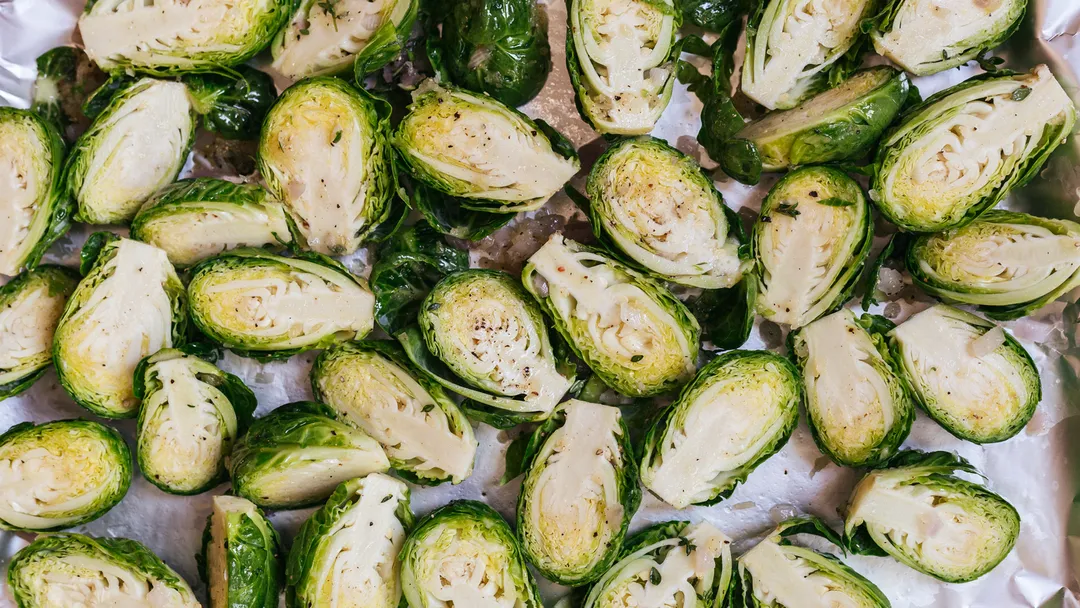
“These tiny little cabbages are high in vitamin C to help boost your immune system function,” says Gioffre. “They’re high in phytonutrients and glucosinolates that lower inflammation and even fight cancer.”
Research in mice suggests that a compound naturally found in cruciferous veggies, like Brussels sprouts, may inhibit cancerous cell growth in the body, and there are currently active clinical trials investigating the effects of concentrated cruciferous extracts on prostate and breast cancer patients to see how this may translate to humans.
How to enjoy: Roast them with Himalayan salt and coconut oil or olive oil, or shred them and saute with garlic and olive oil.
Made by simmering animal bones and all of their connective tissues for hours to produce a protein-packed liquid, bone broth is one of the best whole-food sources of collagen. “[Collagen] contains the amino acid glutamine, which is good for gut health,” explains Petrucci. “It’s beneficial in the winter because good gut health is linked to better immunity — 70 to 80 percent of the body’s immune cells are in the gut.” Plus, if you have a winter cold, there’s nothing better than sipping on a hot liquid to help relieve your sore throat.
How to enjoy: Start your next meal with a bowl of veggie-enhanced bone broth.
Per the experts, superfoods are nutrient-dense powerhouses defined by their high concentrations of vitamins, minerals, antioxidants, and fiber, which work to strengthen the body from the inside out. During the winter — a season marked by decreased sunlight and lower activity levels — incorporating specific superfoods may help prime the immune system and maintain vitality. Foods like Brussels sprouts, for example, provide a vital boost of vitamin C, while macadamia nuts offer metabolism-supporting monounsaturated fats. Chia seeds and avocados help soothe winter inflammation through essential omega-3s and vitamin E, and bone broth supports gut health.
While these foods offer significant nutritional perks for most people, always consult with your healthcare provider or a nutritionist to tailor these suggestions to your specific health conditions, dietary needs, or personal wellness goals.