8 Plant-Based Superfoods for a Refreshing and Healthy Spring
Load up on these delicious, nutritious fruits and vegetables that nourish your body and revitalize your energy as the weather warms up.

Spring is around the corner, bringing with it balmy weather, fresh air, and vibrant foliage. And as the world around us blooms, it’s a perfect time to awaken our taste buds and enjoy the best of this season’s bounty.
If you’re considering eating less meat, spring is a wonderful time of year to explore a plant-based diet, with all sorts of vibrant, fresh options at local stores and farmers markets. Read on to discover the healthiest superfoods you can nourish yourself with as temperatures increase, and get ways to use them in your mealtime prep as well as information from experts about plant-based foods.
As the name suggests, a plant-based diet consists of foods that primarily come from plants. “While there isn’t a strict definition, most people consider a plant-based diet to be exclusively or predominantly comprised of plant-based foods, including fruits, vegetables, beans, legumes, nuts, and seeds,” says Abbey Sharp, RD, author of The Mindful Glow Cookbook and founder of Abbey’s Kitchen in Toronto.
“While a plant-based diet typically emphasizes the avoidance of animal-derived products, some iterations of a plant-based diet do include animal sources of protein,” says Maggie Michalczyk, RDN, a nutrition specialist and founder of the blog Once Upon a Pumpkin, based in Chicago. Popular plant-based eating patterns include the Mediterranean diet as well as vegan and vegetarian diets, per Harvard Health. This means that while your meals might be built on a foundation of mostly plant sources, you don’t have to avoid meat, seafood, or dairy entirely.
There isn’t anything fancy about making your next dinner plant-based, explains Jackie Newgent, RDN, a classically trained chef and plant-forward culinary nutritionist based in Los Angeles. “A typical plant-based meal can be just like a traditional meat-containing meal, with a plant food such as beans swapped in place of an animal-based protein.”
A superfood is any nutritionally dense food that provides a stellar dose of vitamins, antioxidants, minerals, and more.
Interested in learning more? Check out 21-Day Plant-Based Plan for a Lighter, Happier YOU!
Because vegan and plant-based diets often emphasize whole foods that are not heavily processed, there are a number of health benefits to incorporating plant-based nutrition into your daily meals. “This includes lowered risk of [certain] chronic diseases, improved heart health, reduced inflammation, and improved gut health,” Michalczyk tells DailyOM. And research backs her up: a recent literature review found that any increase in plant-based food intake along the dietary spectrum leads to health improvements overall.
No matter your dietary preference, it’s always a good idea to ensure you’re eating an adequate amount of plant-based foods, per the Centers for Disease Control and Prevention (CDC) guidelines, since studies show that if you regularly skip out on them, you could be at risk for diabetes and heart disease, among other illnesses.
Nutritional deficiencies are another concern. For example, “plant-based foods contain fiber, which promotes healthy digestion and a healthy gut microbiome. A diet lacking in plant-based foods may lead to poor digestion and gut health, which can have a domino effect on other components of our health,” says Michalczyk.
From berries to leafy greens, superfoods seem to promise a wealth of superior health benefits. There’s just one caveat: There’s no official definition of “superfood” and the term wasn’t even coined by doctors or dietitians. The word originated in a marketing campaign, per the University of California, Davis, and is regularly used to drive sales for the food industry. But that doesn’t mean there’s nothing beyond the hype. Typically, what we consider superfoods do offer more nutrition than average foods, so they can indeed be considered “super,” explains Newgent. “They’re packed with health-protective nutrients and go beyond general ‘good-for-you’ status,” she says.
Ultimately, you can think of a superfood as any nutritionally dense food that provides a stellar dose of vitamins, antioxidants, minerals, and more. Newgent says a prime example of a plant-based superfood is oats, which contain a fiber called beta-glucan that increases satiety and is associated with reduced body weight.
Rather than focusing on the current “it” superfood, however, know that variety is key to ensuring you’re nourishing yourself with the mix of nutrients it needs. So go ahead and load your plate with spring’s freshest fruits and vegetables. Your body will thank you for it.
Bursting with juicy sweetness, these delicious berries are a rich source of antioxidants and vitamin C, which may help reduce the risk of chronic diseases such as type 2 diabetes, heart disease, and cancer, Newgent says. She suggests adding sliced strawberries to a baby arugula salad topped with almonds and a strawberry vinaigrette.
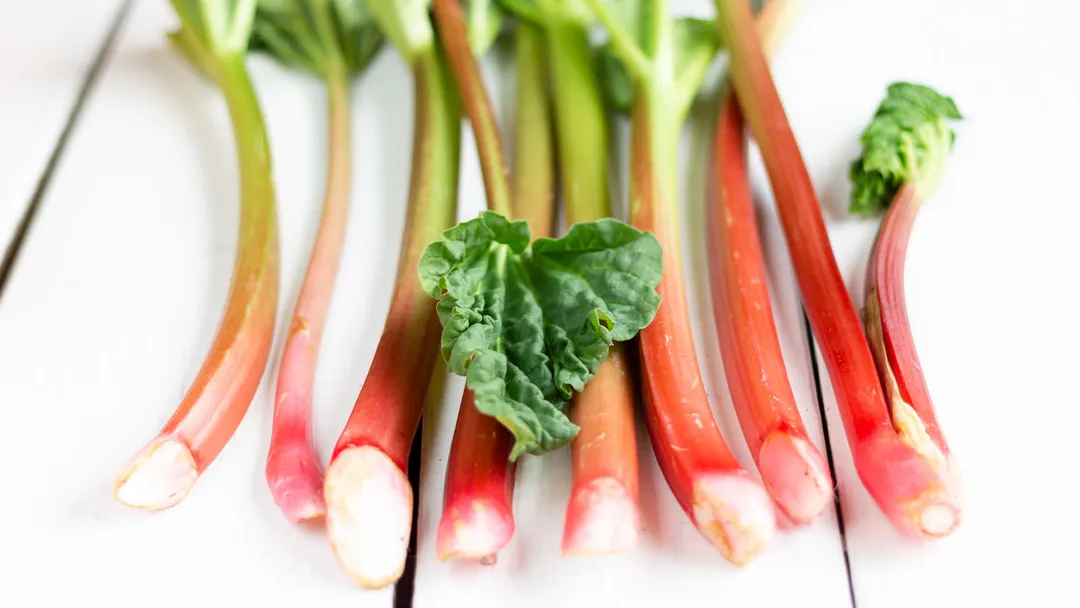
With lovely red stalks and a distinctively tart taste (especially when eaten raw), rhubarb contains antioxidant compounds that can help fight cancer and inflammation, per a research article. It’s also an excellent source of vitamin K, which can help you maintain strong and healthy bones, Cleveland Clinic notes. It’s delicious in desserts, tarts, and jam, Sharp says.
Crisp and refreshing with a subtly spicy kick, this root vegetable is high in vitamin C and sulfur-containing substances, which can reduce inflammation and protect cells against cancer, research notes. Enjoy them as a snack dipped in hummus, or thinly slice them atop tacos or salads for added crunch, Michalczyk says.
Leeks resemble oversized green onions, but with a milder, delicately sweet taste. They’re particularly high in beta carotene, which can support vision and immune function, per Cleveland Clinic. Chop them up and cook them in soups and risotto for oniony depth, Sharp says.
This crunchy root vegetable is rich in vitamin A, an essential nutrient for vision health, and soluble fiber, which can regulate blood sugar, per StatPearls. Enjoy them shredded atop a spring salad or added to baked goods (such as Sharp’s vegan carrot cake baked oatmeal).
Tender and sweet when cooked, this green-hued vegetable is an excellent source of folate, which can support a healthy pregnancy, Cleveland Clinic notes. It’s also a good source of potassium, which can lower blood pressure.
Newgent recommends sauteeing asparagus with plant-based eggs (check the supermarket for brands like JUST Egg or Follow Your Heart for vegan eggs) for a quick and easy breakfast. You can also top grilled flatbread with edamame pesto, sauteed asparagus pieces, and microgreens for a tasty way to up your vegetable intake, as in this spring green flatbread recipe from Newgent.
Leafy green vegetables such as spinach are low in calories and high in fiber and water content. “These can help bulk [up] a meal while keeping you full and satisfied,” Michalczyk says. Spinach also provides important nutrients such as iron, calcium, and vitamin C. She recommends tossing them into a green smoothie with berries, almond milk, and almond butter for a delicious and refreshing wellness snack.
Small but mighty, peas are a legume that is high in fiber, protein, and micronutrients, Michalczyk explains. Toss peas with mint leaves, sliced radishes, leafy greens, and a zesty lemon vinaigrette for an easy springtime salad.
If you’re new to a plant-based diet or simply want to add more plant-based nutrients into your meals, remember to ease into it. “When abruptly shifting to a plant-based diet, it can cause digestive distress because of the sudden increase in fiber,” Sharp cautions. So start slowly and increase your consumption of plant-based foods over time.
You can even begin with one night a week, Michalczyk adds. “Practicing meatless Mondays or having one day a week of plant-based eating is a great way to start.”
It can also be as simple as keeping a bowl of seasonal fruit on your kitchen counter, suggests Newgent. “When you see the beautiful produce [on display], you’ll be more likely to eat it,” she says.
Take advantage of spring’s perfect temps by walking around your local farmers market to get inspired by what’s on sale, suggests Sharp.
Whether it’s winter, spring, summer, or fall, eating with the seasons is a great way to incorporate variety and freshness into your meals, Michalczyk says. “When produce is in season, it’s higher in both nutrients and flavor. Plus, it’s usually less expensive and more environmentally friendly,” she adds. Exploring new flavors, tastes, and recipes can make eating pleasurable — and that never goes out of season.
Spring is the ideal season to revitalize your health by leaning into a plant-based diet filled with nutrient-dense "superfoods" like strawberries, asparagus, and leeks. Incorporating more plants into your daily meals does more than just brighten your plate; recent research and experts confirm it can significantly lower the risk of chronic disease, improve heart and gut health, and reduce systemic inflammation. Whether you choose to go fully plant-based or simply start with tactics like meatless Mondays, transitioning slowly and focusing on seasonal, colorful variety will help you support your body’s unique needs while fostering a sustainable, high-energy lifestyle.





.webp)