Why Reversing Your Cognitive Age May Lead to a Sharper Mind
As it turns out, improving your cognitive age is in your hands — and simple, everyday activities may help to boost your mind’s clarity, focus, and creativity.


When it comes to aging, many of us have been conditioned to believe it inevitably involves weakness and decline. It’s hard not to envision a loss of physical and mental independence at the mere thought of growing old — and to feel a twinge of anxiety and dread creep in. Physical challenges aside, it’s nearly impossible to ignore recent statistics on cognitive decline: Researchers estimate that a staggering 42 percent of Americans develop a risk of dementia after the age of 55.
Interested in learning more? Check out Reverse Cognitive Aging at the Cellular Level.
But while getting older is inevitable, our cognitive age is within our control, says Alex Pett, a resilience coach and DailyOM course creator. “We are not powerless,” she says. “Research has proven that we have the potential to create change where cognitive aging is concerned.”
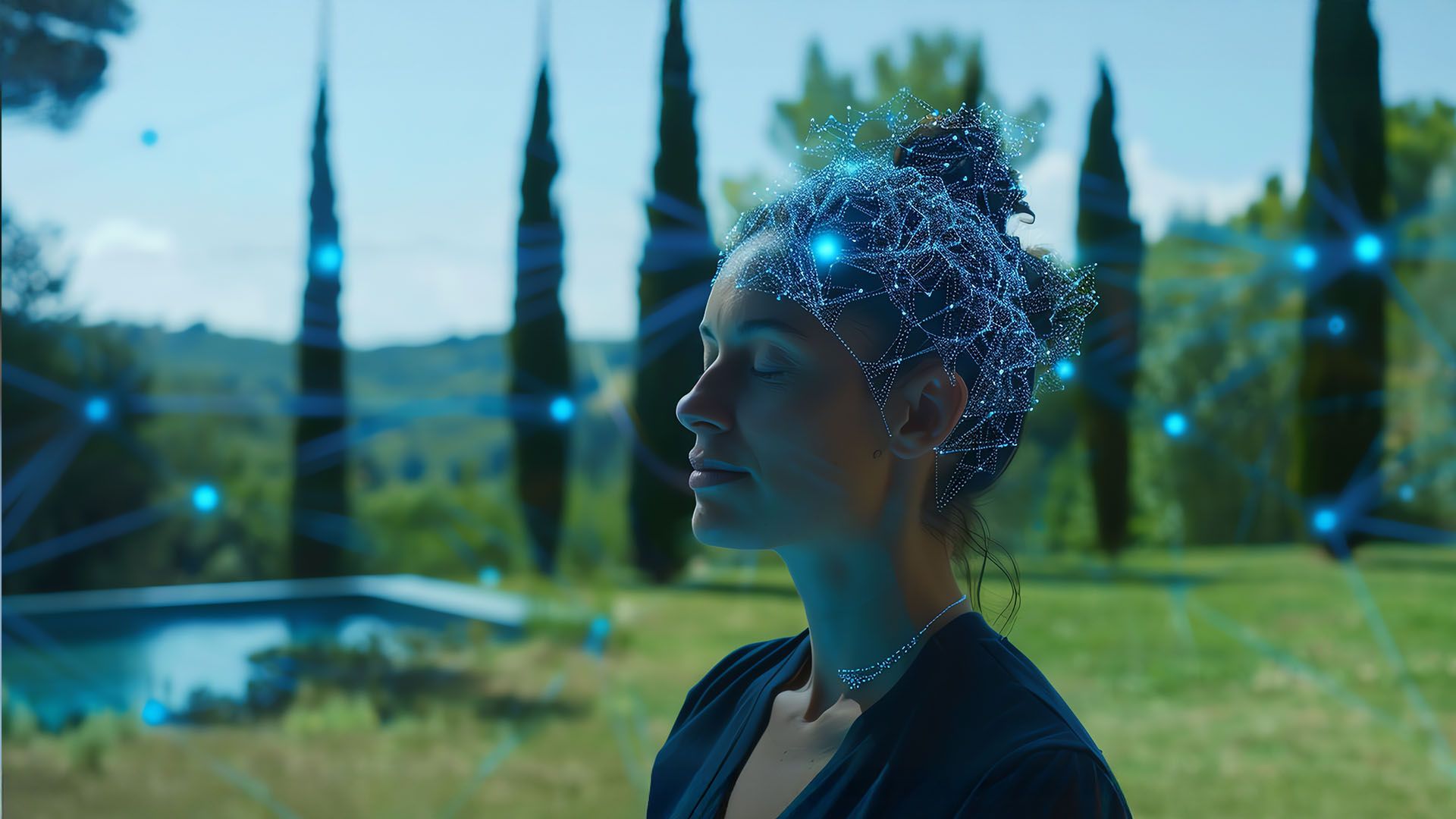
And thanks to neuroplasticity, which is the ability of the brain to form new neural connections, it’s possible to not only influence cognitive aging, but also reverse cognitive decline, according to Pett. In other words, it’s never too early to take the proverbial wheel and steer your brain toward optimal cognitive function, which encompasses your ability to focus, think creatively, make informed decisions, solve problems, and so much more.
As an in-demand resilience coach, speaker, podcaster, and author, Alex Pett is no stranger to working with fear. Through her background in transformational coaching, neurolinguistic programming, and somatic work, as well as the latest neuroscience findings, she helps others see themselves more clearly and gain more control over their thoughts and feelings — and, as a result, their fears.
“Aging, and especially cognitive aging, is a gray area for a lot of people, and that’s often where fear comes in and takes hold,” Pett says. “I want people to feel less powerless about the aging process and even look forward to it.”
Cognitive aging specifically addresses the health of our brain. This is distinct from biological aging, which broadly describes the overall state of the body’s physiological functions.
“We know that the brain loses volume with age, mostly in two regions, the frontoparietal and hippocampal,” explains Pett. “The most noticeable sign of cognitive aging for many of us is a decrease in processing speed, so [this includes] memory changes as well as shifts in decision-making and problem-solving abilities.”
However, Pett is quick to add that getting older isn’t necessarily synonymous with decline. “Yes, some parts of the brain shrink significantly with age,” she says. “But others don’t — and those areas will often compensate to help maintain processing powers.”
For example, Pett posits, younger adults performing a word-based judgment task (where they’re presented with written or spoken words and must make quick decisions about them) might only show activity in the left frontoparietal region, while in older adults both frontoparietal regions light up doing the same task. “So, the brain doesn’t give up as it gets older — it adapts and changes around the aging process so that life can still be lived and enjoyed,” Pett says, as evidenced by research.
Let’s face it: “Humans have very little control over anything in life,” Pett tells us. “There’s a huge degree of uncertainty we must tolerate as a result of this — and this will always be the case. Even science is constantly evolving, proving itself wrong, and has really only discovered a small amount about how the brain functions (especially the female brain).”
But Pett says we do have an ability to influence what happens to us as we age. “Taking the control that is available to us is empowering and will genuinely make a difference in how we experience life as we age,” she adds.
This means we’re not relegated to a life of memory loss, scattered and foggy thinking, poor focus, processing issues, and more. According to the National Institute on Aging, we now know that we get to choose how we move forward, thanks to the latest advances in neuroscience.
The first step is taking stock of what you might currently be doing to accelerate cognitive aging — and also identify the simple ways in which you can slow it down, Pett tells us. Factors like your mindset, stress and anxiety levels, physical activity, and social connections can make a big difference in your cognitive age.
When it comes to supporting your cognitive well-being, Pett notes that you get out what you put in. Read on for some of the benefits you may notice from tending to your brain health for long-term vitality.
As we forgo the emotions of fear, dread, and shame around aging, there’s an unexpected physiological benefit that arises: more balanced hormones, Pett says.
“Fear creates huge stress in us, and chronic stress affects neurons via [the production of the stress hormone] cortisol and inflammation,” she explains. “When we change our perceptions and habitual thinking, we stop subjecting ourselves to the stress that triggers the release of cortisol and creates the inflammation that accelerates the cognitive aging process.”
In fact, one literature review linked high cortisol with adverse effects on brain structures and neurodegeneration indicative of Alzheimer’s disease, suggesting further research should be done on cortisol-reducing interventions to prevent cognitive decline.
When you put the brakes on cognitive aging through your everyday habits, you’ll experience better processing, memory, and focus for far longer, Pett says.
According to a large-scale randomized clinical trial of 2,111 participants, older individuals who were at risk for cognitive decline and dementia improved their global cognitive function with the implementation of simple lifestyle changes (such as dietary interventions and increased social engagement) over a two-year period.
Pett explains that you don’t need a science degree to understand how to increase neurogenesis (create new brain cells), protect existing brain cells, and enhance neuroplasticity, nor do you need medication to achieve these benefits.
Rather, building a sharper, more creative mind involves simple, everyday practices that everyone is capable of doing. “These are all things we can do for ourselves, so they’re both accessible and empowering,” Pett says. According to one research report, up to a third of dementia cases may be prevented within the next 25 years by lifestyle interventions.
“The result of small, incremental, daily changes is a huge increase in quality of life,” Pett says.
And with consistent dedication to practice and intention, she adds, “you’ll change how you feel — happier, younger — and be able to be more present, rather than worrying about the future.”
When you learn that your cognitive age is in your hands, you begin to develop motivation to make changes over the long term.
“Sudoku isn’t the only way to keep your brain sharp, and reversing cognitive aging is going to mean finding a way to do it that works for you,” Pett says. “For example, art and creativity can lower dementia risk, and music training has potential benefits for an aging brain.”
For example, combining your personal interests or passions with daily exercises that reinforce brain function can be a solid starting point.
It’s never too late to partner with your brain to reduce cognitive aging — and improve your overall experience of growing older. Science shows that our minds are highly malleable, and that implementing simple, everyday habits can make a major difference in our cognitive well-being.
Gone are the days when we must accept the status quo that our bodies and minds deteriorate with the years. The good news? You get to decide your cognitive age and choose to continue cultivating a sharp, clear-thinking, creative mind that’ll support you in the long term. Remember: The power is yours.








.jpeg)